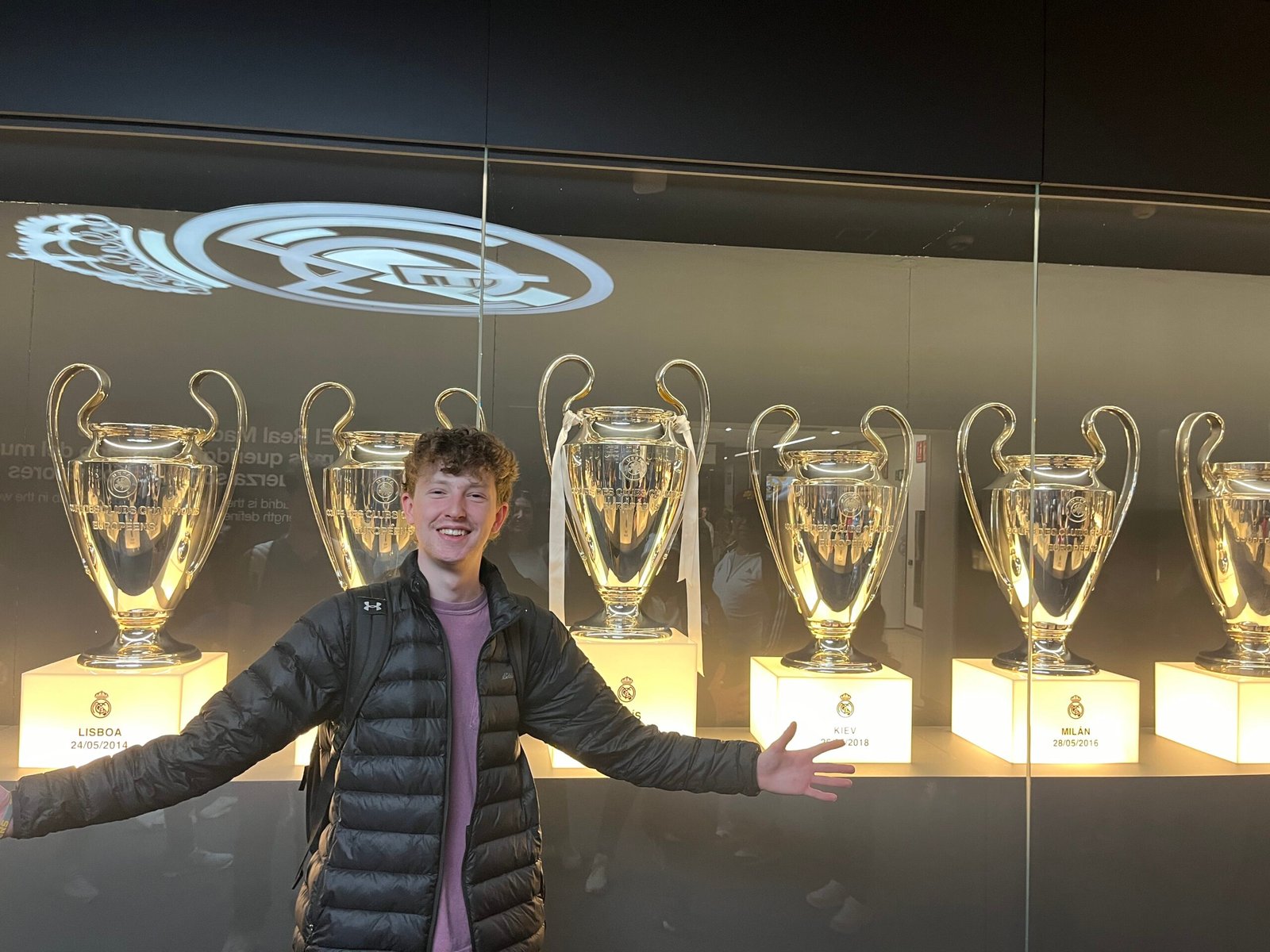
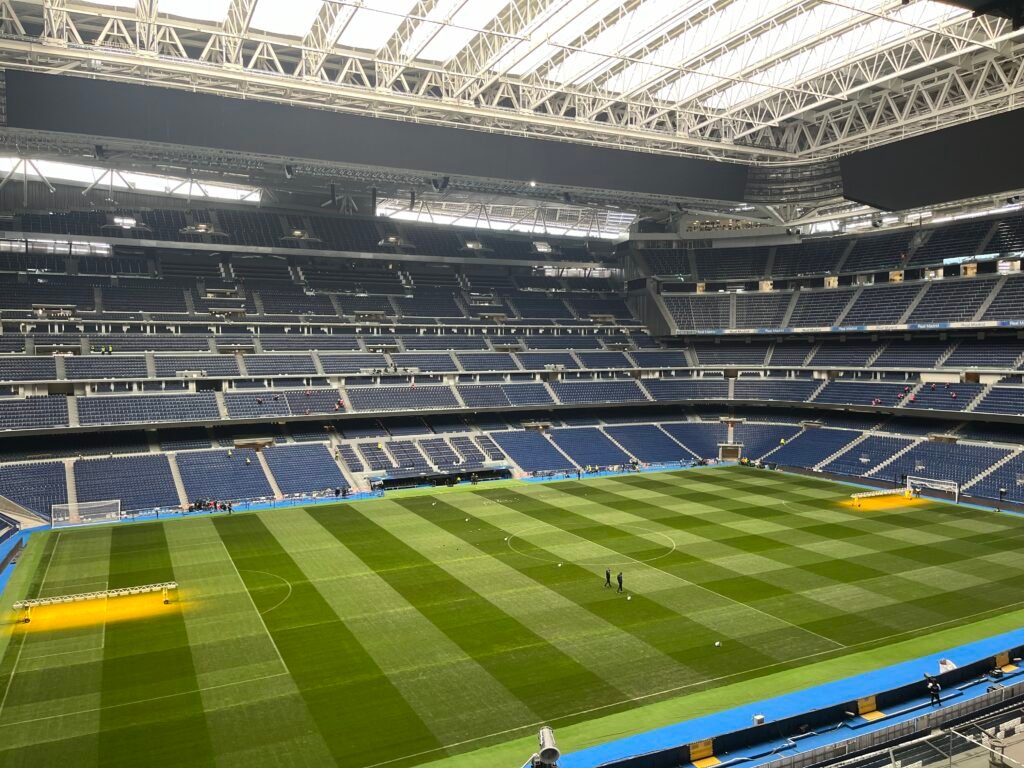
Real Madrid is more than just a football club or brand. It is a name continually associated with success. This is no ordinary club; this is a club that has achieved the highest levels of performance since its founding. This insatiable desire to win has culminated in the most dominant and successful football club in the entire world. Even just the name, “Real Madrid” strikes fear into opponents. So how does a football club become this successful and what is its impact on the city of Madrid?
Founded as Madrid Football Club in 1902, Juan Padrós alongside his brothers had a plan for their newly founded football club to become great. Over the next few years, Madrid Football Club competed against local teams in the area before finally in 1905 defeating a club in the north of Spain, Athletic Club Bilbao, to secure their first Spanish Cup. This would be the first major stepping stone in the club’s history as they have gone on to win countless trophies after that one. The name Real Madrid was established in the year 1920 after Spanish King Alfonso XIII granted the official title to the club alongside the club badge that is known around the world today. In 1929 Real Madrid would then go on to join what is now today known as “LaLiga”. In the 1931-1932 season, Real Madrid captured their first LaLiga title. This would be their first LaLiga title out of 35 total, the most in LaLiga history.
There have been many important figures in Real Madrid’s history from players, directors, managers, and presidents. Despite the countless club legends, there is none more important than Santiago Bernabéu. Regarded as the greatest president in Real Madrid history, Bernabéu spent 16 seasons at the club as a player. Though having great achievements as a player, what he accomplished for the club as the president will forever be etched in the club’s history. On September 15, 1943, Santiago Bernabéu was appointed club president, beginning one of the most influential and monumental periods in Real Madrid history. Bernabéu was a visionary and saw a future for the club abundant with success.
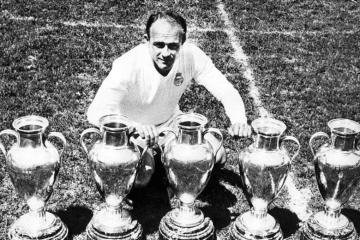
Leading the charge for 35 years, Bernabéu changed the course of the club’s trajectory into one of the most successful across the entirety of Europe. After taking the presidential role he had great insight into the players necessary to sign to further the continued success of the club. One of these players is Alfredo Di Stéfano. This signing for the club would prove one of the most important in the history of Real Madrid. Stéfano ended up playing eleven seasons for Los Blancos with some of the most successful seasons in football history. Under Bernabéau’s presidency, Stéfano shined and scored an incredible 308 goals in 396 matches. Real Madrid with Stéfano won 18 trophies in 11 years, five of those being European Cup trophies, the most prestigious trophy in club football. This unbridled success put the spotlight on Real Madrid and asserted them as the most dominant club in world football at the time.
After Santiago Bernabéu passed away in 1978, Real Madrid had to find a new president. They found three new presidents after Bernabéu and each had stints of success, but none like the man who runs the club today, Florentino Pérez. Pérez became president in July of 2000 and served for six years before leaving the club. He announced his resignation after acknowledging the club had to move in a new direction. Despite this, Pérez returned in 2009 and has charged the revitalization and expansion of Real Madrid in not only its success but its brand alike. After his return, Pérez came back stronger than ever and signed arguably the greatest footballer to ever step foot on the pitch, Cristiano Ronaldo. In a blockbuster move from Manchester United, Pérez was able to turn the hottest talent in the English Premier League in the direction of Madrid to compete for what ended up being years of success. After the signing of Ronaldo and his development, Pérez continued to raise Madrid into what is now known today as the most dominant club on the planet.
Real Madrid has firmly established itself as the most consistent, dominant, and successful club in history. Through all this success in history, it is important to look at the economic effects the club has on the city of Madrid and the country of Spain as a whole. An extreme part of Real Madrid’s success comes from the fans’ unwavering support throughout history. Fans of Real Madrid gather around their club and come match-day, almost everyone in the city of Madrid stops what they are doing to watch Los Blancos. Almost every phone screen, television, or radio is tuned into each Real Madrid match that is played. This isn’t just in the city of Madrid as well, Real Madrid by far has the largest global reach out of any football club alongside English giants, Manchester United. The revenue they generate locally from fans combined with international media rights and apparel sales significantly boost the economy of Madrid.
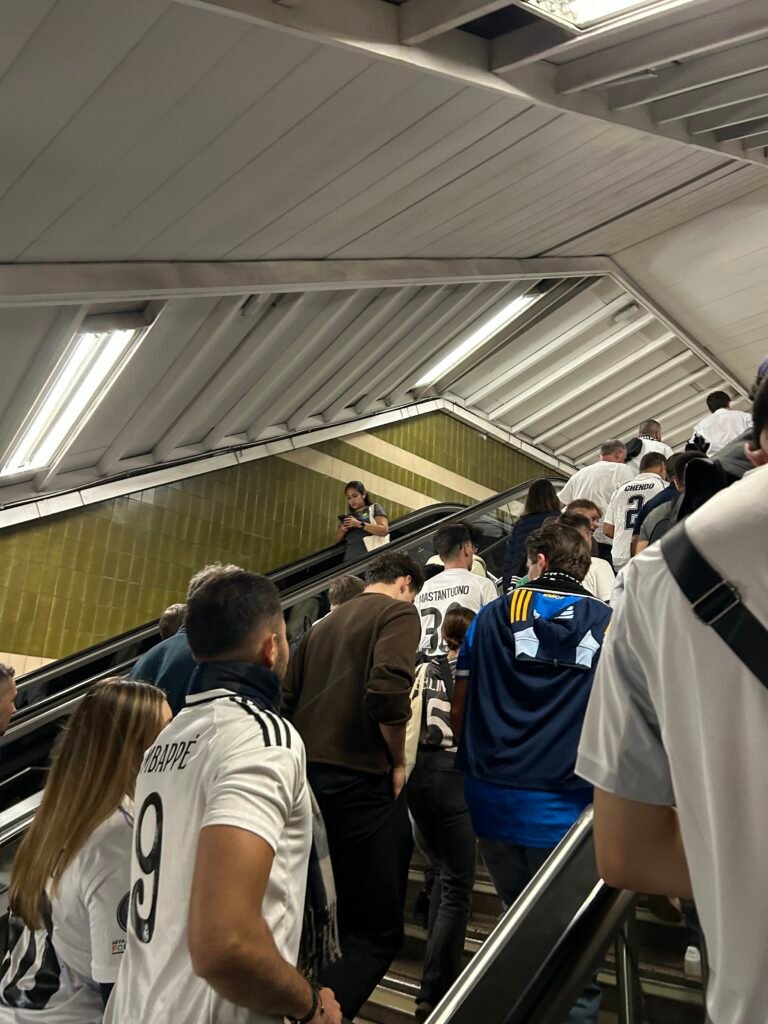
When I was living in Madrid in the Spring of 2024, I wanted to investigate this impact further. In order to so, I investigated the stadium
Leave a Reply